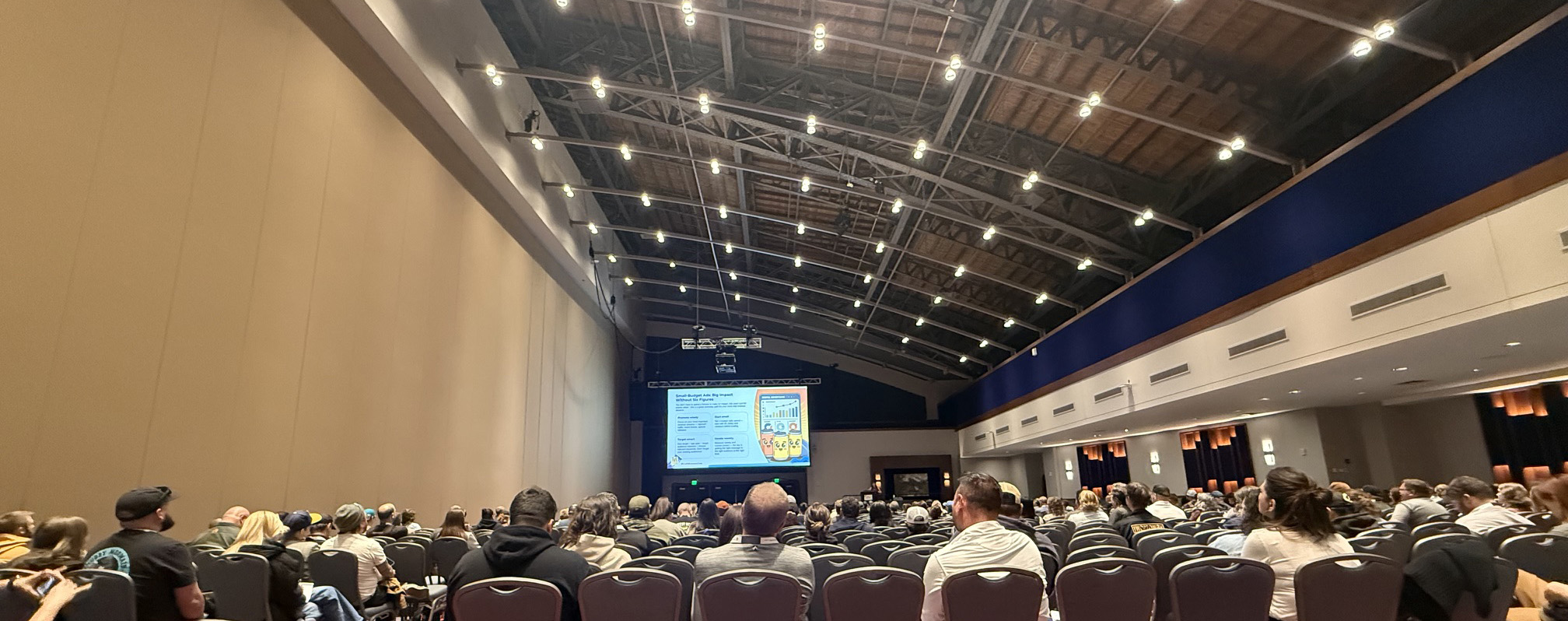
Last month at the 2026 Craft Brewers Conference – (hosted by the Brewers Association and held in Philadelphia this year), there was a lot of discourse centering on the apparent shift of public taste away from craft beer and alcoholic beverages in general. Some of the education sessions at the event focused on brewing and selling non-alcoholic (N/A) beers, and others on alcoholic beverage alternatives. These sessions, as well as other less official conversations throughout the conference felt like a constant backdrop of unease amongst most of the attendees and sponsors.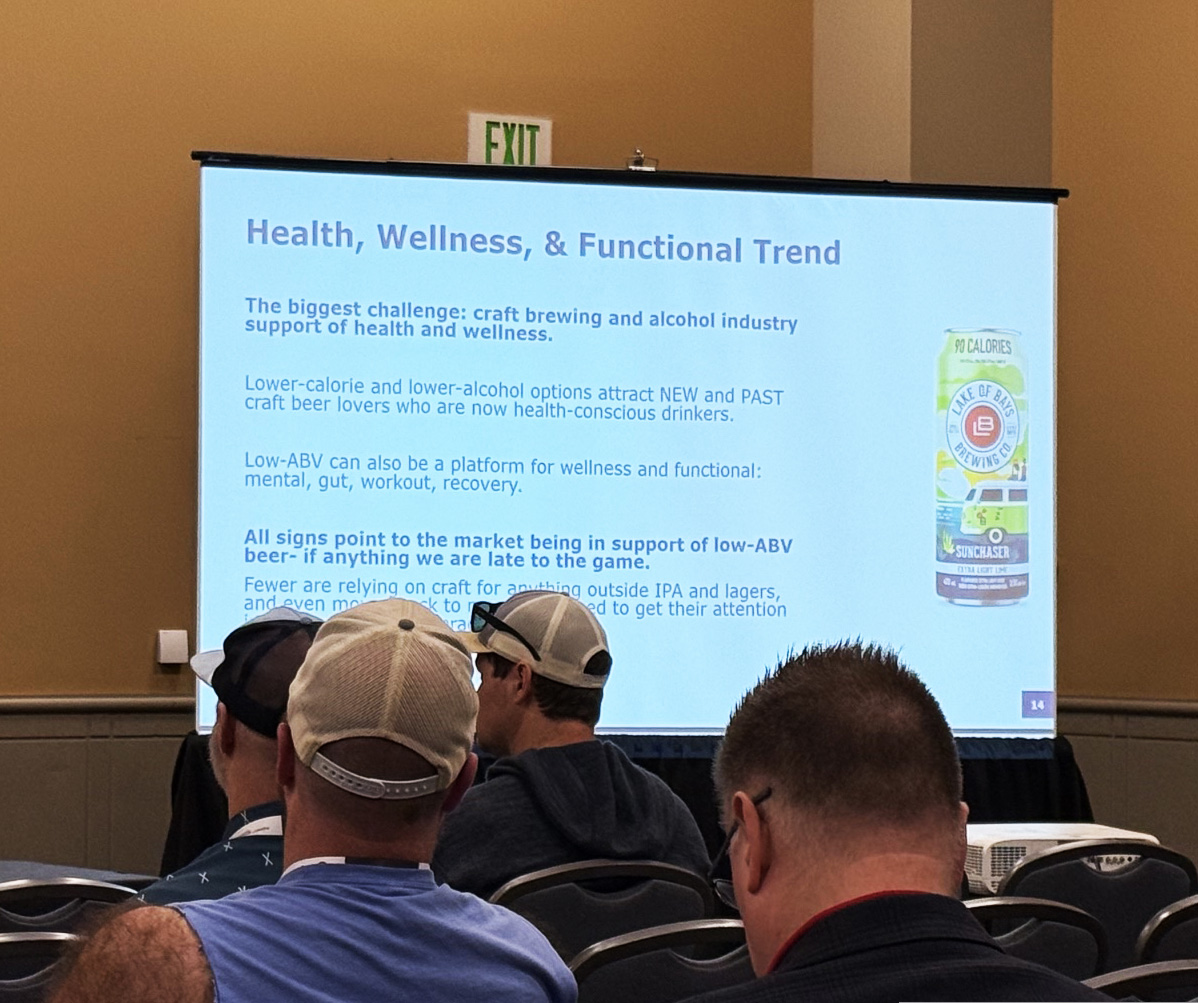
Common questions discussed included what can a traditional craft brewer do to adapt to the market changes, and what does the future of alcoholic beverages look like? What is wrong with Gen Z, and are they even drinking at all? How do we attract people back to our taprooms?
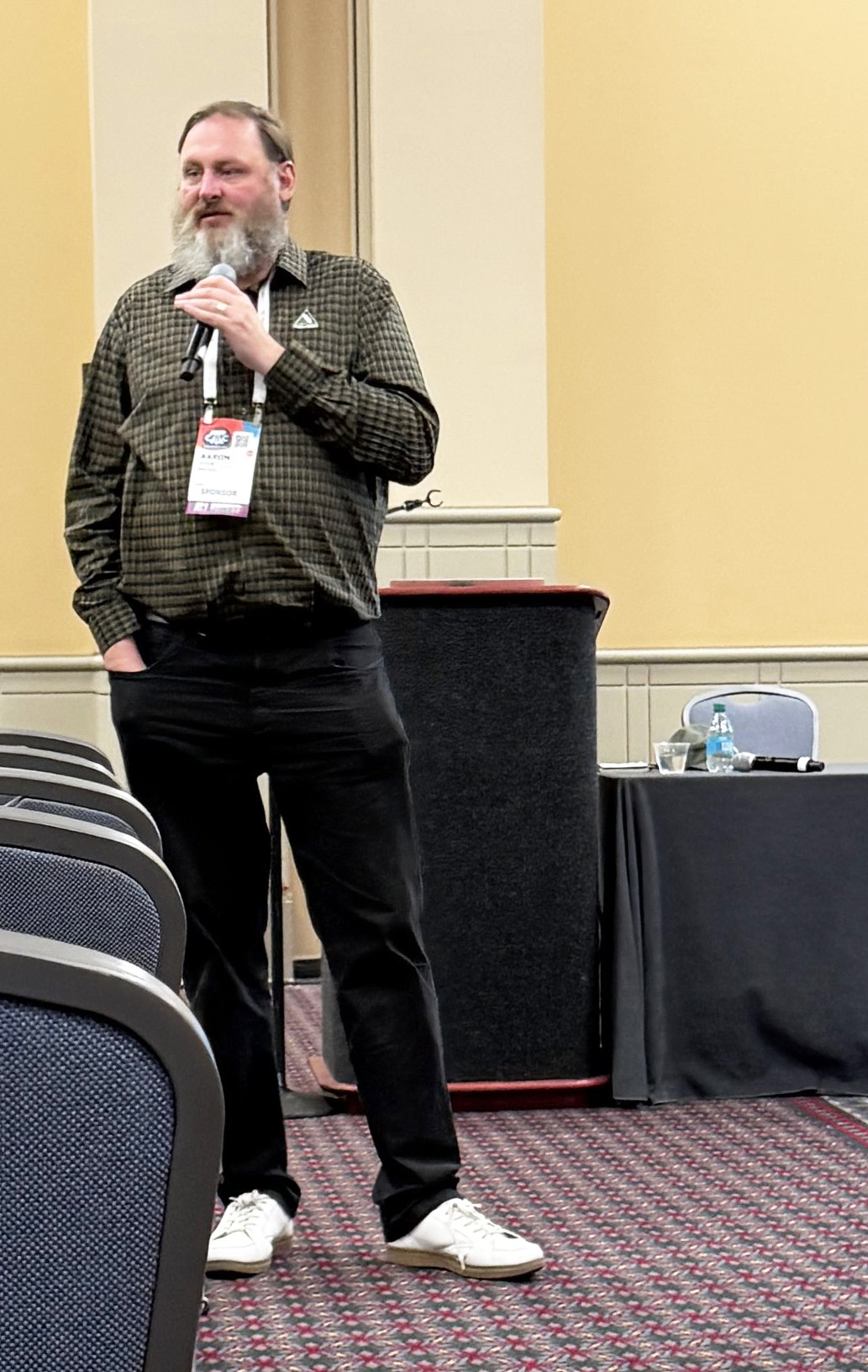
Aaron Hyde Shares Low Thoughts
One of the more compelling sessions I attended at the CBC was put on by malt purveyor RahrBSG called “Low-ABV Beer: Making and Marketing Craft Beer’s Biggest Opportunity”. The room was packed as I slipped into one of the remaining seats, and then Aaron Hyde, a gray-bearded beer industry veteran from Rahr began his presentation.
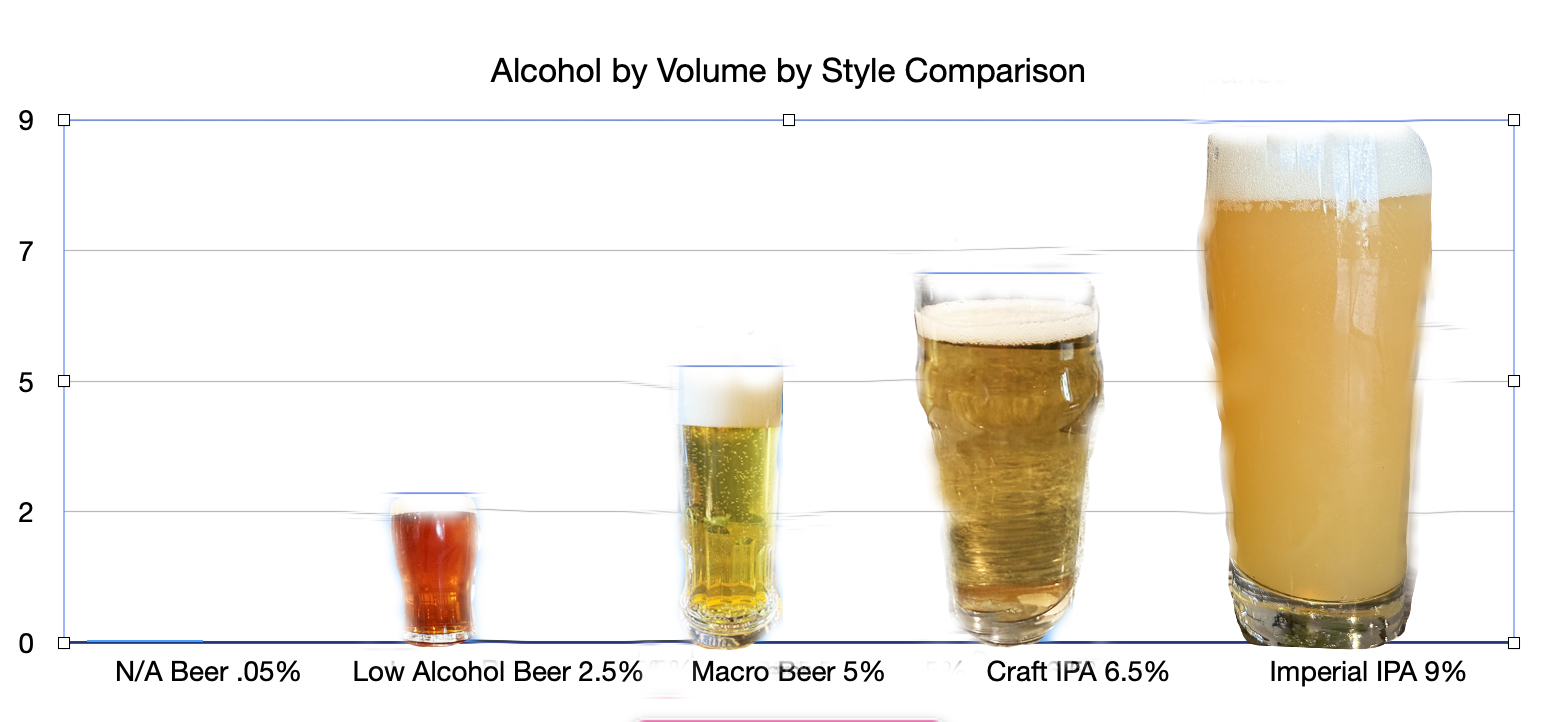
He started out talking about what defines a “low alcohol” beer vs. a “mid strength” or “session beer”. The guidelines are not universally recognized with some considering anything under 4% ABV to be “low” while others consider beers with alcohol by volume of 2.5% to be low and those between 2.5% and 4% to be “mid strength” or “session”. In the US, the legal definition is 2.5% for low alcohol, though that is not usually used in marketing, while in Europe they sell lots of these “mid strength” beers – a tradition going back to the 1600’s.
The revered OG style “English Mild” usually falls in the range of 3% to 4% and has been a staple of the British Pub crowd since it’s inception. (In Europe beer is taxed based on it’s level of ABV, which supported the growth of more affordable lower alcohol beer styles.) In the 1800’s “Mild” was a favorite of English factory workers at the end of their long work day,
Even with that authentic historic background, there is still a stigma in the US associated with low alcohol beers – due to the “Lite” beer macro lagers that are still reviled by traditional craft brewers and craft drinkers alike. Aaron explained: “You have to educate the consumers and speak openly and with confidence about the low alcohol beer, you have to call it out”. He pointed out that more than 90% of those who buy N/A beer also still buy alcohol – so most drinkers aren’t looking for total abstinence, so lower alcohol beers can be a good alternative. “In the US it’s an all or nothing mindset”, Aaron commented, “believing that people either drink full strength beer or go totally non-alcoholic”.
The challenge is that now more than ever, health, wellness and being “functional” are what people are looking for in their leisure time, and unfortunately “people just aren’t looking for wellness in craft beer”. A lower alcohol beer is a great alternative to attract the wellness crowd, as well as being lower in calories, another important benefit to many of today’s consumers. From a marketing perspective, lower alcohol beer seems to be starting to attracting some interest as “an outdoor occasion” beverage – great for weddings, parties, even a summer picnic. “You have to take it outside” Aaron suggested.
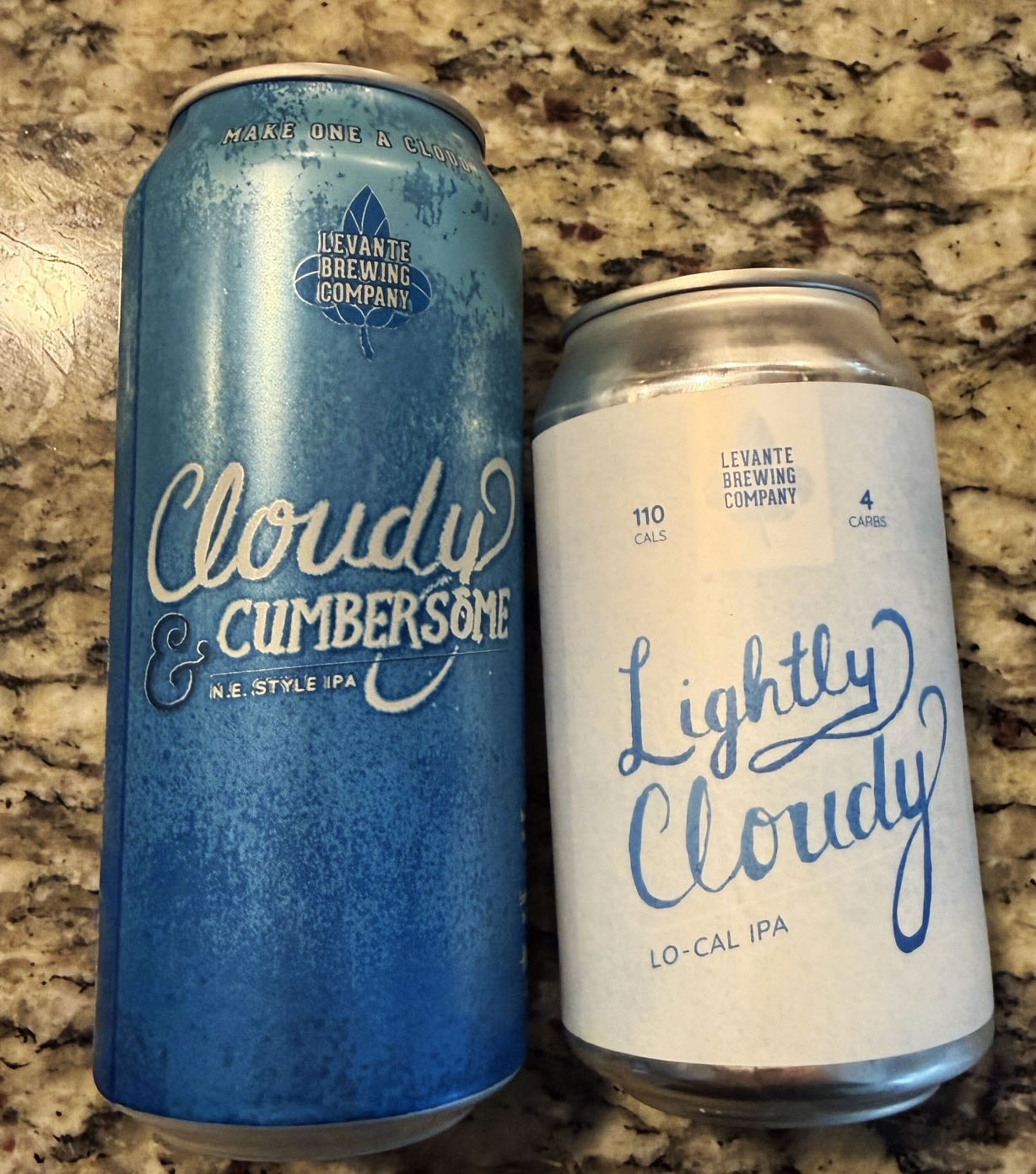
Levante Brewing Flagship and “Smaller Beer Version”
“We aren’t very focused on educating people about beer these days, and adopting lower alcohol styles takes some education of the consumer” pointed out Aaron. “We can carve out a wellness niche in craft. You can make wellness part of your breweries reputation.” Aaron shared that some of the most successful lower ABV beers are lower alcohol versions of a brewery’s flagships like their IPA. Others sell their lower ABV styles using a completely different branding. “One thing you have to resist”, said Aaron “is making these beer lower priced even though they are usually less costly to make”. He warned: “You don’t want people to think it’s cheap watered-down beer, and while you might be able to drop prices initially it’s very hard to raise them later”.
Next Aaron talked about common brewing techniques used in making these lower ABV styles.You would typically start with a more flavorful base malt, use lower mash temperature and leverage some specialty malts. He suggested using dextrine flake for mouthfeel and reduce using roasted malts. Another best practice he suggested was to use late addition hops, reducing early additions that magnify bitterness is a lighter bodied brew.
The session wrapped up with Aaron explaining that a number of styles lend themselves to lower alcohol recipes such as German Lagers, Petite Saisons, Belgian Table beers along with the traditional Stouts and British Mild ales. Many American styles can work as well, like lagers and pils, with some brewers also using ingredients like botanicals to add different low ABV flavor profiles.
“We see breweries now offering alcoholic seltzers or RTD (“Ready to Drink”) cocktails – and yet brewing low alcohol beer alternatives are much closer to a brewery’s core approach” Aaron explained. “These beers can be what you drink when you are taking care of your kid at home, or your last round when you are out”. His comment reminded me of the gaining popularity of “Milk Tube” LUKR pour foam shots – as historically many believe that they were sold at closing time in Czech taverns as a last, lower alcohol round.
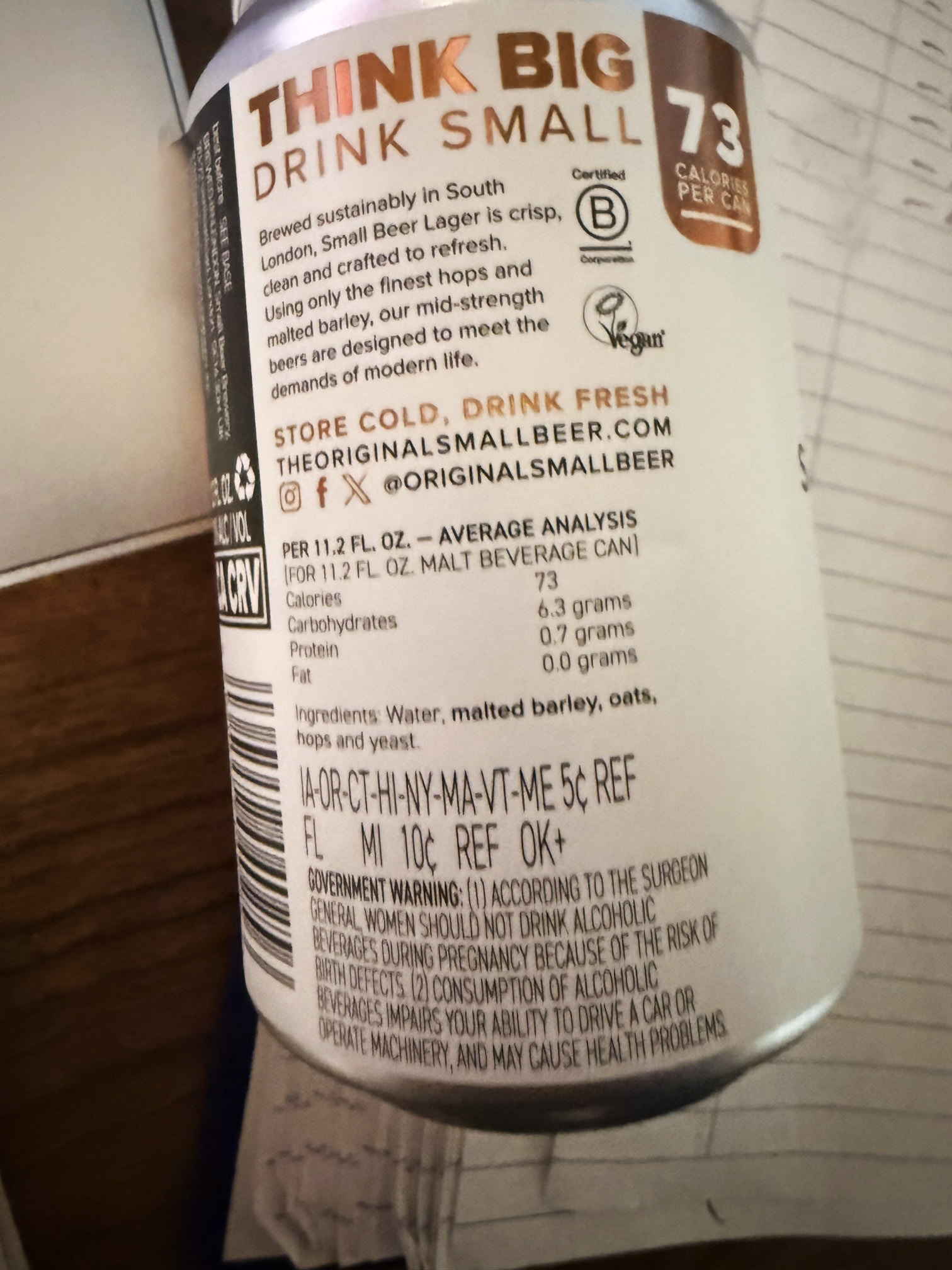
Small Beer from London
Having tried a few “small beers” as they have become more readily available, as well as session and N/A styles, and honestly in my view the “lower alcohol” beer experience is much like what I would expect. Typically it’s a significantly better beer drinking experience than the N/A’s but less robust than most session styles. But, here’s the thing – there is a time and a place for lower alcohol beers, and for some lifestyles it’s their “go to” while for others it’s their last round. But, that’s part of what makes beer a great “adult beverage” – many choices and options for everyone. There is no question that this alternative is a growing niche in the world of craft brewing and for people who want some wellness in their drinking experience.