As a beer appreciator who has been publishing stories about beer for over 20 years, I think I can safely claim to have thought about what makes beer a special beverage more than most people. The beer drinking experience has many facets – of course, there’s the alcohol buzz, the thirst quenching aspect, and for many the strong association with memorable social interactions that occurred when sharing beers with friends and family.
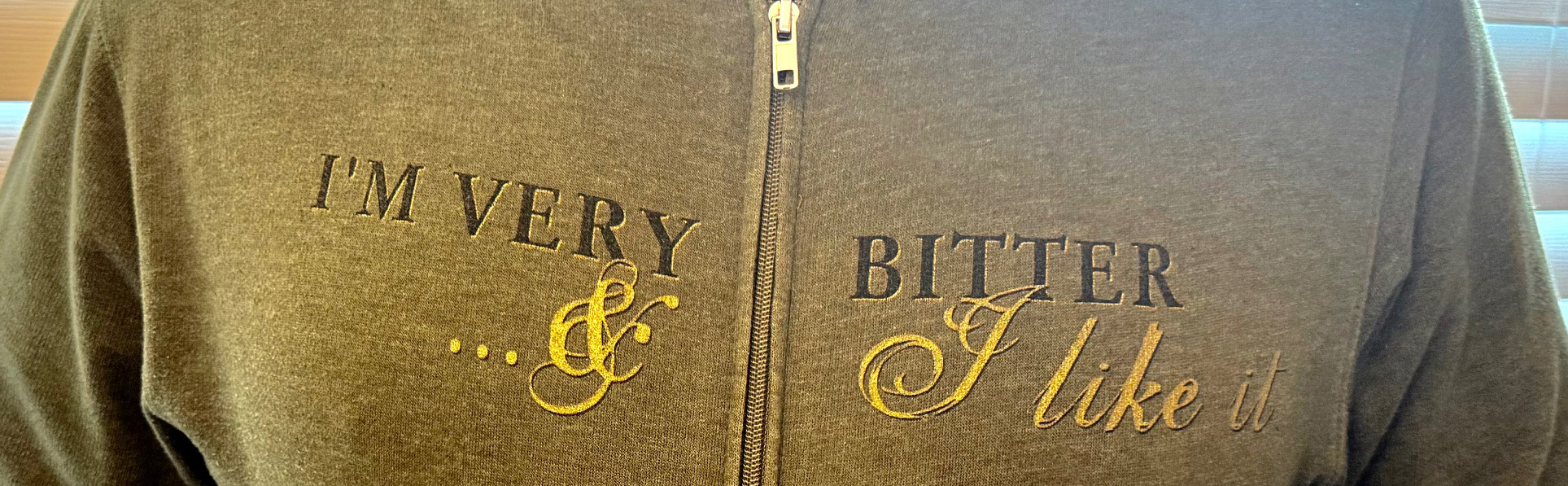
But one thing that I have come to realize lately that is a particularly important aspect of beer – for me and lots of other beer enthusiasts simply is “bitterness”.
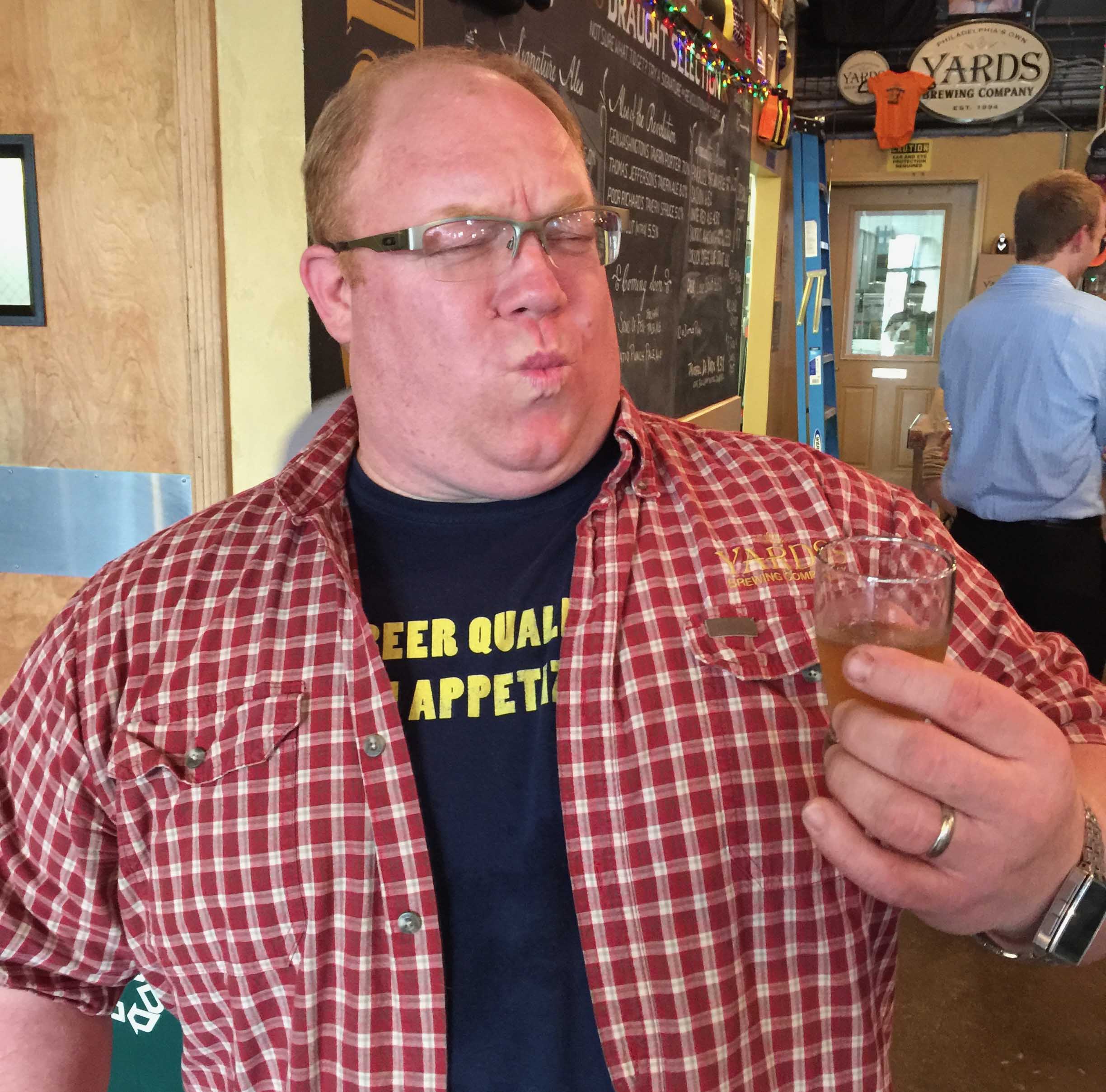
Too bitter for Tom Keogh of Yards? I don’t think so
I like bitter beer and in most cases the bitterer the better. But in good beer there is a balance – a complex dance between sweetness and bitterness in beer that enhances the consumption with a delightful and layered flavorful drinking experience.
Scientists tell us that we are hard wired from childhood to avoid bitter flavors – as a self protection – most toxic substances naturally taste bitter. Experiments suggest that this self protective behavior lessens as we get older, and in fact can even become attractive with repeated experience. What you wanted to spit out when you are10 years old can be what you crave at 30.
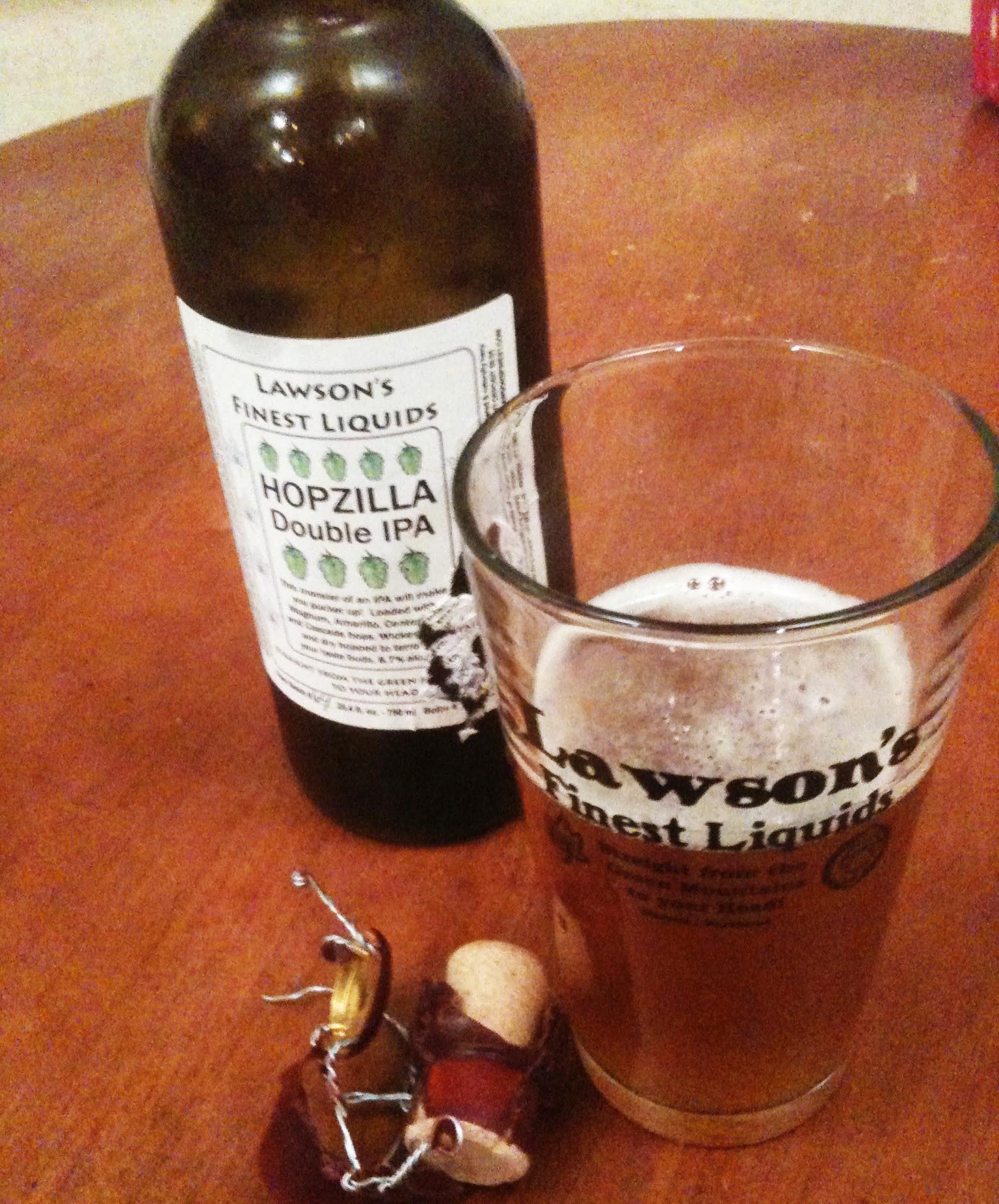
Lawson’s early brew Hopzilla – Bitter for sure
When beer was originally made and consumed in quantities about 6000 years ago, it was very sweet – this was how the Egyptians drank it in 3000 BC. It was sweet because the main flavored ingredient was germinated (sprouted) grain. The grain converts to starch laden “malt” in the drying process. When boiled in water and strained the malt created a sugary grain tea (“wort”) that was loaded with sweet sugars ready to be consumed by yeast and converted to alcohol and carbonation. In the brewing and fermenting process not all of the sugars are used up so the resulting brew was very sweet on the tongue.
For thousands of years brewers tried using different additions to their beer to try and cut the sweetness, to create a more refreshing, complex and thirst quenching drink. Before the Middle Ages brewers would toss all kinds of additives and herbs into the kettle – some of which worked and others that didn’t – some even added different intoxicating effects. Others were even poisonous (witch’s brew?). These herb mixtures were know as “gruit” often including yarrow, sweet gale (bog myrtle), heather, and mugwort found in nearby forests and pastures. 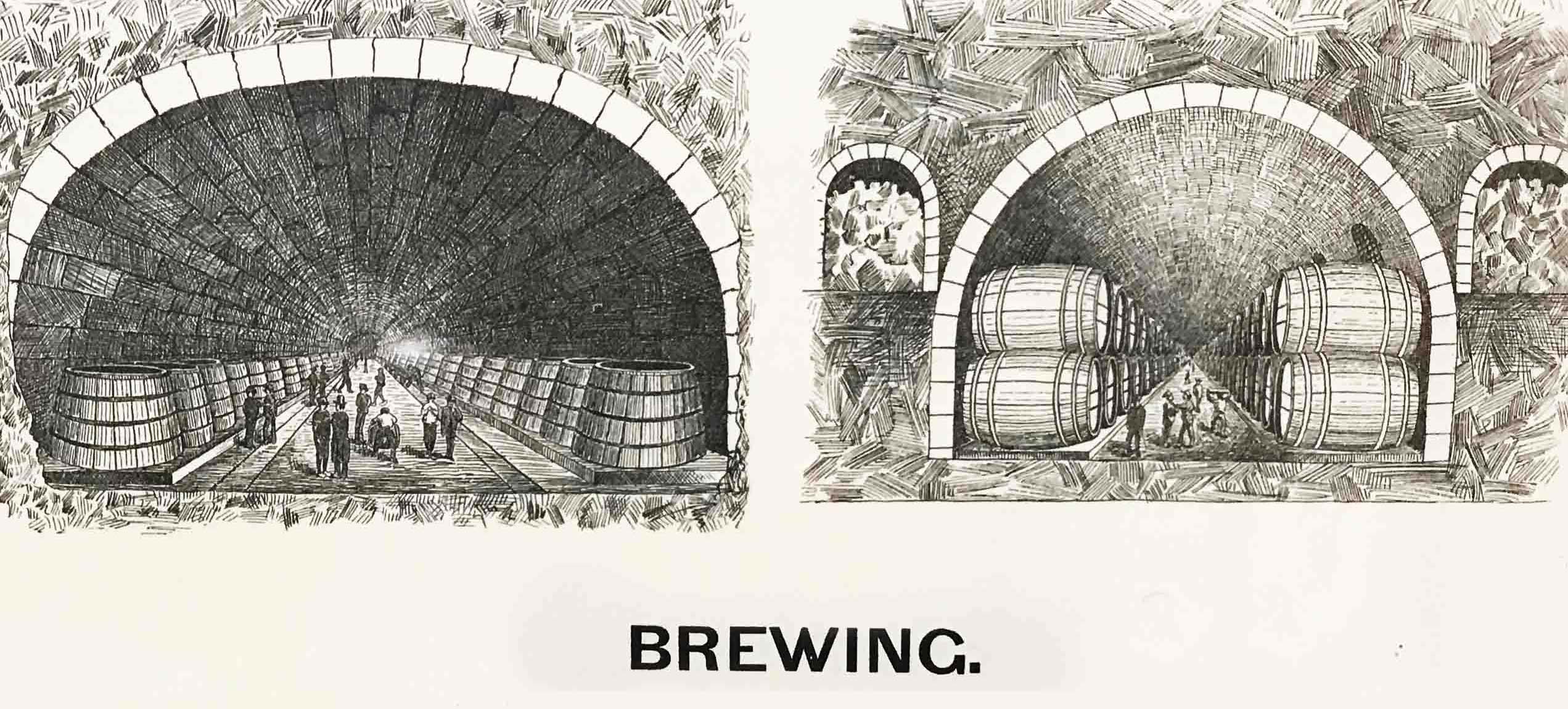
Enter the world’s first scientists – the monks of medieval times. They were looking for something that would help them preserve their beer, so it wouldn’t spoil as quickly, and were aware that the herb “hops” had a preservative quality. It also tasted very bitter so it served two purposes – as well as reducing the risk of drinking unknown additives in their brew.
At that time hops were also known as a folk remedy for sleeplessness – “hop pillows” were used for those who had trouble sleeping, as was hop tea. There is some conjecture that the Church approved of adding a sleep aid to alcoholic beverages, as it could act like a built in sedative to have heavier drinkers lean towards sleep naturally.
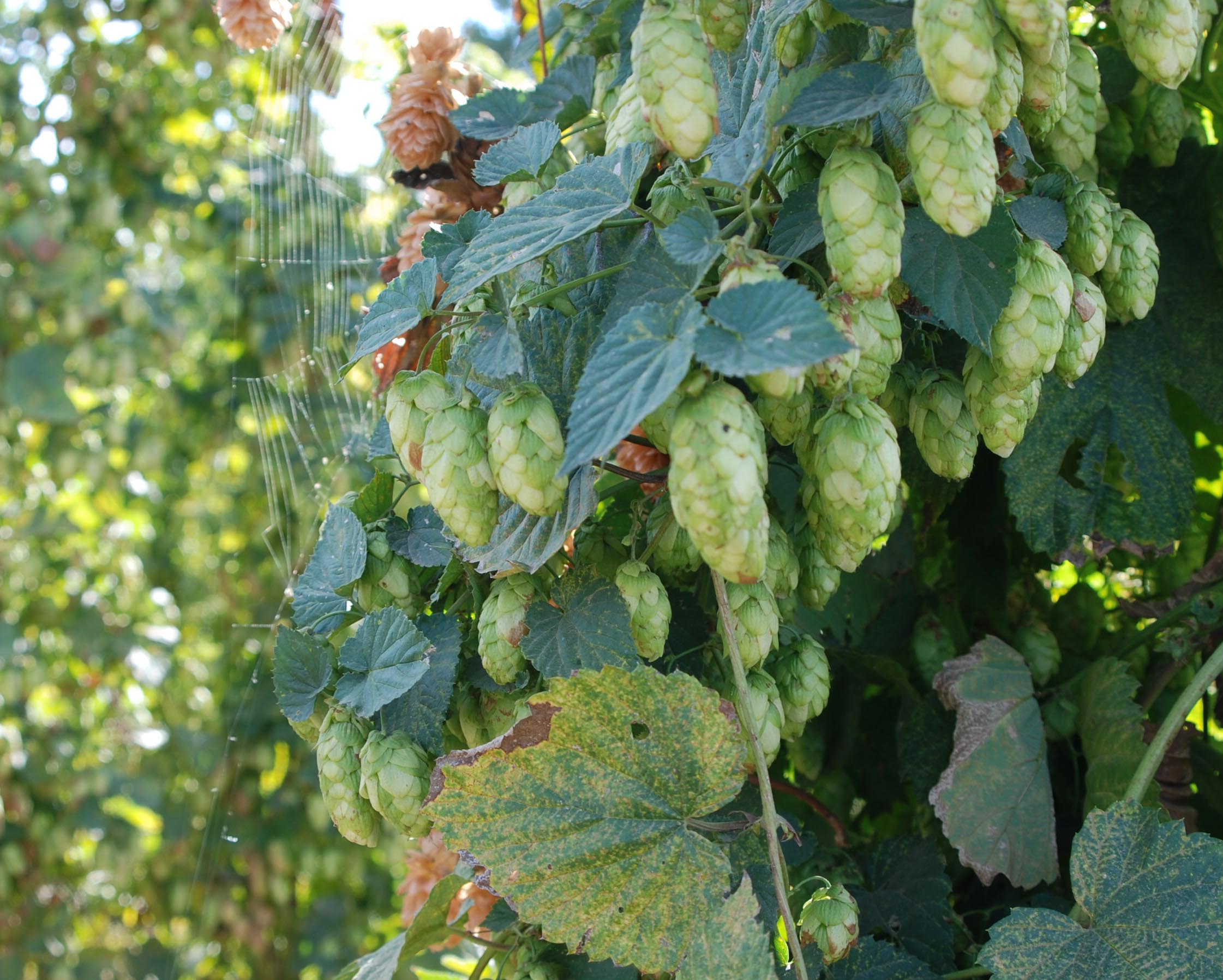
Hops on the vine ready for picking…
OK, enough beer lore – but, here’s the thing: A lot of us Boomer and Millennial beer drinkers really like the bitterness in beer and it undoubtably fueled the massive success of the popular IPA style which helped put craft beer on the map. Some suggest that drinking bitter beverages (which can include coffee and tea) gives us a feeling of accomplishment – we overcome the innate flavor warning of bitterness and really enjoy it. It adds an element of excitement as well – as we all know that the buzz from beer can help create some difficult situations – as well as pleasurable ones. I read one article that stated that bitter flavors “gives us a little rush of dopamine. It’s the same rush coffee drinkers, dark chocolate fans, and IPA lovers feel when they lean into the flavor”.
But today, the flavor of bitterness in general seems to be going out of fashion. Bitter coffee is being replaced for many by super sweetened mocha’s, frappucinos and other sugary milky drinks. Now tea is routinely fruited, spiced and chai’d, and the most popular new craft beers are a sweeter “fruit forward beverage”. In the extreme end are high alcohol beers with “milkshake” flavorings like orange creamsicle and chocolate mint.
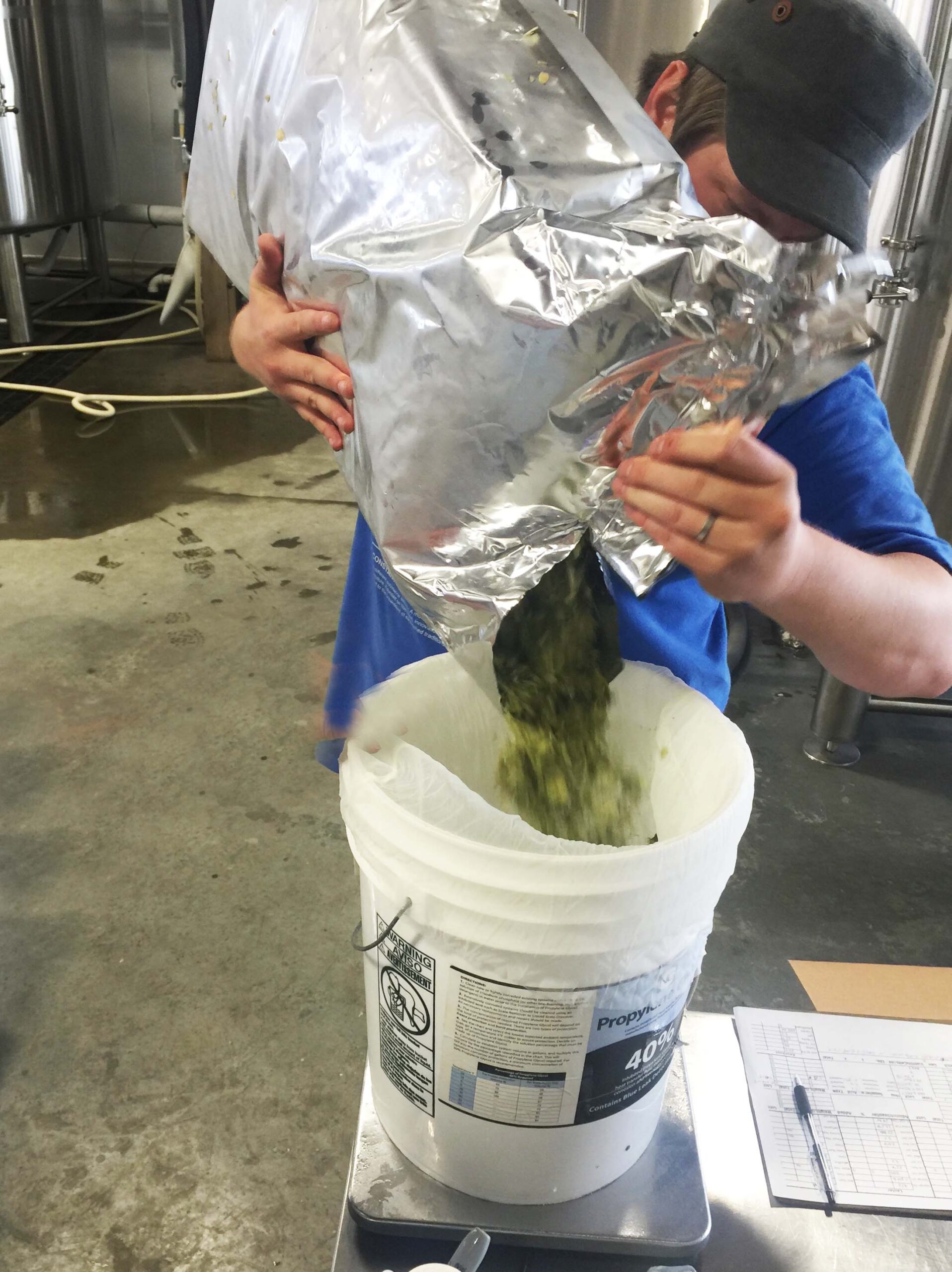
Brewers, like Franklin from Tarboro Brewing in N.C. – please keep the hops flowing…
I already did a rant (please get off my lawn) about soda pop beer like “Grape Fizz Ale” and “Fruit Force”, but lets face it – once you start blurring the lines between soda, milkshakes and alcoholic beverages, to me it appears a lot of the excitement, the element of danger and the very gravity of the alcoholic beverage experience (beer-geek pun intended) is simply lost.
And, we must not forget that a nicely bitter beer is a great food enhancer – bitterness cutting through the cheesy richness of a pizza, roasted grains complimenting grilled meat like barbecue. I just can’t see that working as well with sweet fruity beverages.
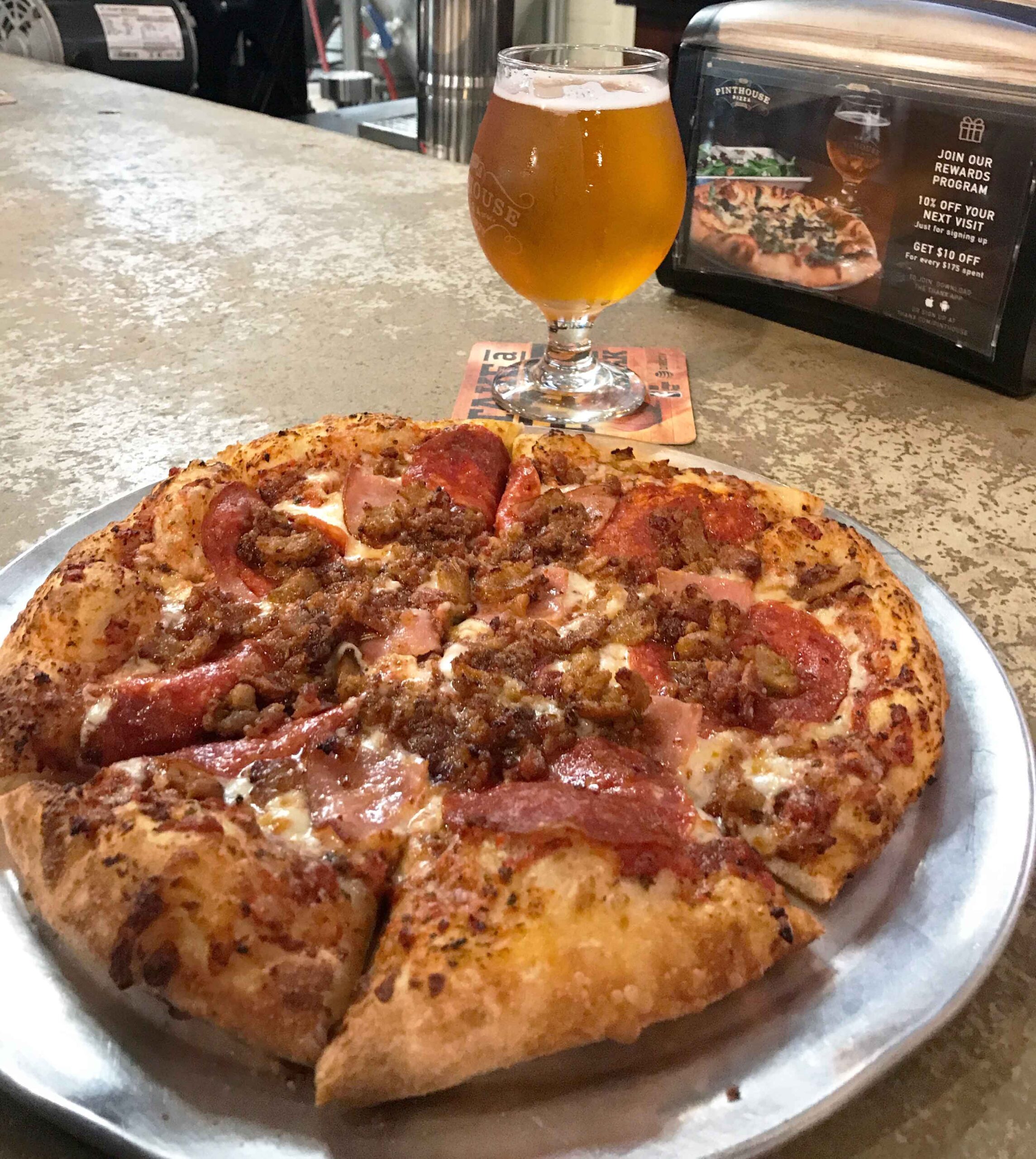
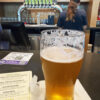
Pizza and nicely bitter beer just go together so well at Pint House in Austin
So, while the general consensus in the media is that craft beer has run it’s course, and many Gen Z are abandoning it for health reasons, I think we should consider that by hiding the bitterness of beer, you are are extinguishing one of it’s most valuable and attractive qualities.
No wonder a lot of young drinking age kids say that they don’t like beer – they are likely to be drinking alcoholic milkshakes and fruit soda pop type beer. No dopamine rush, no complexity, and very little refreshment to be had there. So, I can see why they would just as soon drink a soda or real milkshake and then maybe do a shot of vodka, or a puff, it’s probably a bit cheaper that way too.
I do really like the complex and savory bitterness in beer, so let’s bring it on. It’s the kind of rush and complex flavor experience I can enjoy just about any time, and it can still be found at local breweries and in supermarkets today. While it’s an old and complex flavor combination, bitter beer is a taste experience that never really gets old.
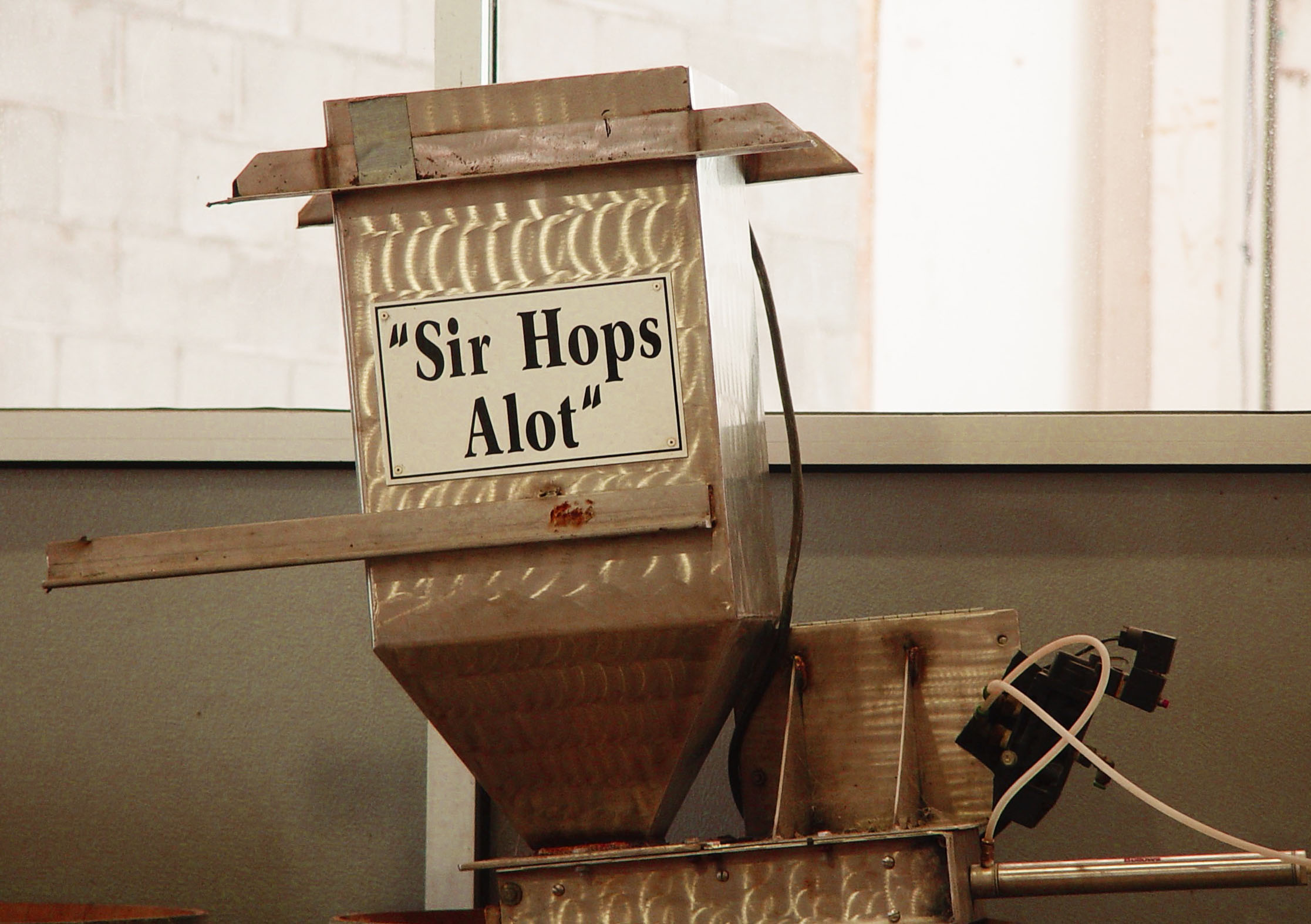
Sam Calagione of DogFish, one of the first to continuously hop beer for his 60/90/120 IPA series